What Is e-RUPI? Benefits, Uses & How It Works
Struggling with high gas fees, wallet complexity, or crypto’s on-ramp hurdles? e-RUPI helps here as India’s surprisingly efficient digital voucher system that bypasses these problems entirely.
Launched in 2021 by NPCI and the Government of India, this SMS/QR-based solution delivers instant prepaid value with zero blockchain, zero bank accounts required, and, surprisingly, zero internet needed.


While crypto wrestles with adoption barriers, e-RUPI quietly serves 800M+ Indians where DeFi can’t yet reach.
This breakdown reveals what crypto builders should know about India’s working model for frictionless digital value transfer – and the gaps it leaves for Web3 to fill.


What Is e-RUPI: Key Highlights
- e-RUPI is a digital voucher system launched by NPCI in 2021 for secure, one-time payments.
- It delivers benefits via SMS or QR code without needing a bank account or app.
- Users don’t require internet access or a smartphone to redeem vouchers.
- It ensures targeted use of funds, preventing misuse and increasing transparency.
What Is e-RUPI?
e-RUPI stands for electronic Rashtriya Urban Payment Interface, representing India’s first digital currency voucher system.
 Source : Paytm
It functions as a prepaid instrument under NPCI, allowing beneficiaries to make payments without needing a bank account, digital payment app, or internet access.
e-RUPI connects service providers and beneficiaries directly, eliminating intermediaries and ensuring funds are used for specific purposes, such as healthcare or welfare.
How Does E-RUPI Work?
E-RUPI works by sending a prepaid, purpose-specific digital voucher to a beneficiary’s mobile phone via SMS or QR code.
This voucher can be redeemed only by the intended person at authorized service providers, without needing a bank account, card, or mobile app. It ensures that funds are used strictly for the intended service.
For instance, if a company wants to provide vaccination benefits to employees, it can issue e-RUPI vouchers through a partner bank.
Employees then use these vouchers at approved hospitals, enabling secure and targeted benefit delivery.
Who Can Use e-RUPI?
e-RUPI serves three primary user categories:
- Government departments implementing welfare schemes,
- Private corporations distributing employee benefits, and
- NGOs managing social programs.
The system caters to corporates seeking efficient benefit distribution, consumers receiving targeted subsidies, and merchants accepting digital payments.
Beneficiaries include citizens receiving medical treatments, educational scholarships, fertilizer subsidies, and various government welfare benefits.
Which Banks Issue e-RUPI?
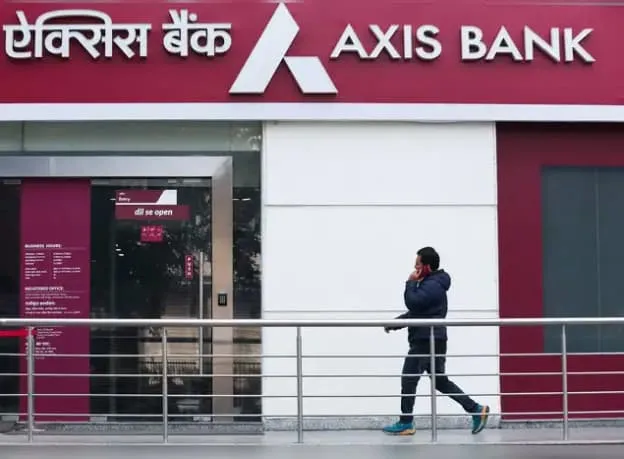
NPCI partners with 11 banks for e-RUPI transactions, including Axis Bank, HDFC, ICICI, SBI, and others.
The acquiring apps currently supporting e-RUPI are BharatPe, BHIM Baroda Merchant Pay, Pine Labs, PNB Merchant Pay, and YONO SBI Merchant Pay.
More banks and apps are expected to join the e-RUPI ecosystem in the near future.
Benefits Of e-RUPI For Corporates
e-RUPI makes it easier for companies to manage and deliver employee and customer benefits more effectively.
 Source : Freepik
Corporates can utilize e-RUPI to support employee well-being through targeted benefits, such as healthcare or rewards.
The system enables quick, safe, and contactless voucher distribution, eliminating the need for physical paperwork.
Since the entire process is digital, it helps reduce costs and simplifies administration. Companies can also track voucher redemption, ensuring transparency and effective use of allocated funds.
Benefits Of e-RUPI For Consumers
Consumer benefits center around accessibility and security features that transcend traditional payment barriers.
 Source : Freepik
e-RUPI offers a contactless and easy way for consumers to access benefits. There’s no need to carry a printed voucher, and the redemption process is quick and straightforward, completed in just two steps.
It also ensures safety and privacy, as no personal details are shared during the redemption process.
Consumers don’t need a digital payment app or even a bank account, making it accessible to everyone, regardless of their digital or financial background.
Benefits Of e-RUPI For Merchants
e-RUPI provides a secure and straightforward method for merchants to accept payments, with voucher authorization facilitated through a verification code.
 Source : Freepik
The payment process is hassle-free and contactless, removing the need to handle cash or cards. Redemption is quick, with minimal chances of decline as the amount is pre-blocked.
Difference Between e-RUPI And UPI
e-RUPI and UPI are different tools in India’s digital payment system, each serving specific needs with unique features.
| Feature | e-RUPI | UPI |
|---|---|---|
| Bank Account Needed | Not required for the user; voucher-based | Required for both sender and receiver |
| Purpose of Use | Specific benefits like welfare, healthcare, or subsidies | General digital payments (shopping, transfers, etc.) |
| Internet Requirement | Not needed; works on basic phones via SMS/QR | Internet is required for transactions |
| Control Over Usage | Issuer controls where and how the voucher is used | No usage control after funds are sent |
| User Privacy | No sharing of personal or bank details during redemption | Requires sharing of personal and bank account details |
Future Of e-RUPI In India’s Digital Economy
The future of e-RUPI in India’s digital economy looks promising, with its applications expanding beyond traditional banks to include fintech platforms, making it more accessible to a wider population.
Its potential integration with the Digital Rupee could enable smoother transactions and strengthen financial inclusion, especially in rural areas.
As retail CBDCs evolve, e-RUPI may become more programmable, secure, and capable of functioning offline.
Cross-border digital currency pilots and partnerships with platforms like Cred suggest growing functionality and adoption.
These developments echo broader trends in the future of digital currency in India, positioning e-RUPI as a key player in the country’s evolving digital payment landscape.
Suggested Read :
Conclusion: e-RUPI Is A Prepaid Payment Method Introduced By NPCI In 2021.
e-RUPI is a significant step toward making digital payments easier and more inclusive in India. It enables individuals to receive benefits without requiring a bank account, smartphone, or internet connection.
The system ensures that funds are used only for their intended purpose, reducing misuse and increasing transparency. It’s secure and straightforward process makes it easy for everyone to use.
As India moves toward a digital future, e-RUPI will continue to grow and connect with new technologies. It reflects the country’s commitment to bringing digital progress to every citizen.
FAQs
Can e-RUPI vouchers be transferred to another person?
e-RUPI vouchers are tied to an individual and can only be redeemed by that person.
What happens if an e-RUPI voucher expires unused?
Expired vouchers become invalid and cannot be redeemed; the remaining funds are typically returned to the issuer according to their policies.
Can businesses create their e-RUPI vouchers directly?
Only authorized partner banks can generate e-RUPI vouchers; businesses must collaborate with these banks to issue vouchers.
Is there a limit on e-RUPI voucher amounts?
Voucher amounts are regulated, usually capped at ₹1 lakh for government schemes and ₹10,000 for private issuers.