How to Verify Crypto Transactions Quickly and Securely

In this article, I will discuss the How to Verify Crypto Transactions and ensure your digital transfers are safe and accurate.
You will learn how to check transaction status on a blockchain explorer, how to confirm multiple verifications, and how to use wallets and tools to detect and prevent errors and fraud.


To maximize safe and dependable crypto transfers, verification must be completed on every transaction.
What is Crypto Transactions?
A cryptocurrency transaction involves the transfer of digital currencies from one holder to another over the blockchain network. Every participant in the exchange – the sender, receiver, and from the cryptocurrency amount – is documented in an immutable form.


Also, there is a blockchain transaction record that provides an easy reference to the transaction ID (TXID) to track movements through the system. As a record is created, network users or miners authenticate with the system to prevent double spending, and the transaction gets locked into a structure within the system.

Transactions occurring over the internet and, one, through cryptocurrency is without the use of a banking system. The system is accessible and offers a higher and reasonable digital payment alternative.
Besides the system being irreversible once the payment is confirmed, there is no chance of fraud and no ease in committing a transaction in error, making a transfer to the wrong sequence in the system. Every participant in the digital transfer of the currency must have adequate knowledge of the system.
How to Verify Crypto Transactions
Example: Verifying a Bitcoin Transaction
Step 1: Get the Transaction ID (TXID)
- Open your wallet, for example, Trust Wallet, Ledger Live, or Coinbase.
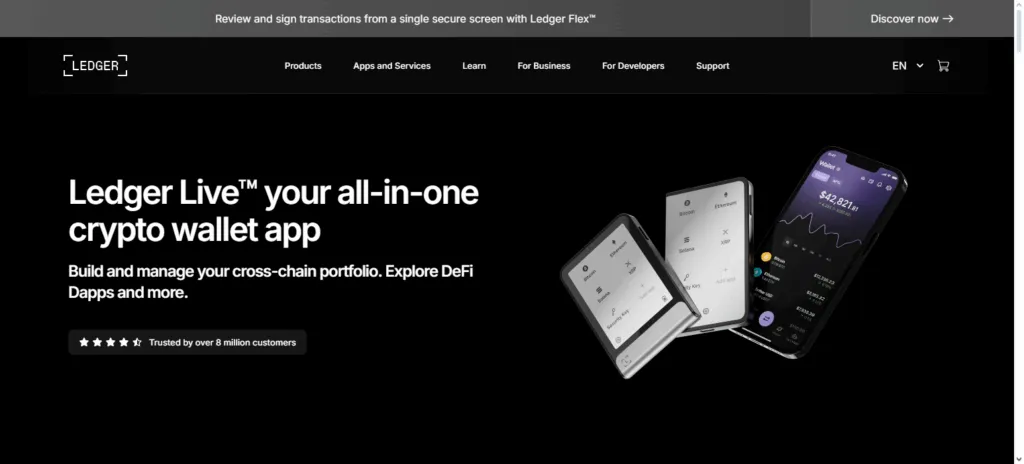
- Find the transaction you wish to verify.
- Get the TXID or transaction hash (this is a long string of letters and numbers).
Step 2: Open a Blockchain Explorer
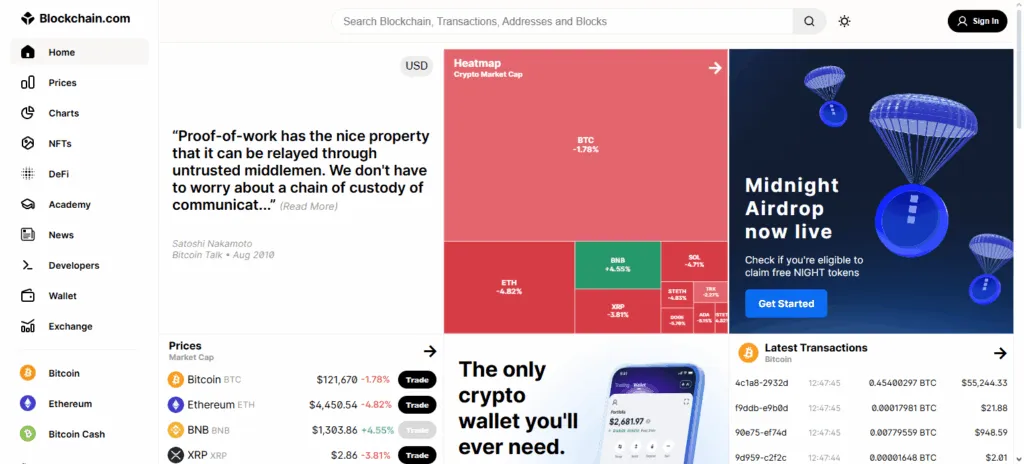
- Choose the cryptocurrency you are verifying (for example, Bitcoin).
Step 3: Enter the TXID
- Copy and paste the TXID into the explorer’s search bar.
- Click the “Search” button or press Enter on your keyboard.
Step 4: Check the Transaction Details
- Confirm the Sender and Receiver addresses and ensure they are the same as those in your transaction.
- Check that the amount sent corresponds to the transaction.
- Check the transaction status:
- Pending/Unconfirmed: The transaction is in the process of being completed.
- Confirmed: The transaction has been successfully processed and added to the blockchain.
Step 5: Check the Number of Confirmations
- Most wallets will wait to receive 3-6 confirmations on a transaction before it is considered completely secure.
- Each confirmation on a transaction holds a layer of security against a potential double spending issue.
Step 6: Save or Record the Details (Optional)
Take a screenshot or jot down the transaction confirmation for your records.
Security Tips While Verifying Transactions
Use Reputable Blockchain Explorers: As a safeguard against phishing attempts, check transactions on officially recognized explorers, Blockchain.com or Etherscan.
Cross Compare Wallet Addresses: Confirm receiver and sender addresses and check whether the transactions should be finalized and whether addresses are confirmed.
Verify Multiple Confirmations: For larger transfers, it’s best practice to wait for several confirmations on the network to check that the transaction is fully finalized.
Avoid Public Wi-Fi: Verifications should be done in a secure, private network to minimize interception or hacking attempts.
Verify Phishing Links: Always directly use explorers instead of suspicious emailed transaction verification requests.
Keep Wallet Software Updated: Outdated wallets can expose you to unnecessary risks.
Use Hardware Wallets for Large Transactions: For transactions that require additional security, use hardware wallets.
Best Practices for Quick and Secure Verification
Record TXIDs
Keep all transaction IDs logged for easy tracking and reference later.
Set Up Transaction Alerts
Transaction confirmations can be sent as alerts from your wallet or exchange. Use these.
Use Reliable Wallets
Verified wallets with advanced and integrated verification methods are safest and quickest.
Verify Before Sending
Recipient addresses and amounts need verification. A simple mistake can cost you or be fraudulent.
Check Network Status
To estimate confirmation times accurately, check the status of the blockchain and its congestion.
Update Wallets and Software
Keeping systems and software updated as they will contain the latest security measures.
Use Secure Networks
Never use public Wi-Fi. Verified transactions should be done over secured and trusted encrypted channels.
Enable Two-Factor Authentication (2FA)
Use 2FA on wallets and exchanges for additional protection.
Common Issues and How to Resolve Them

Pending Transactions
- Cause: Congestion and queues in transactions and low fees.
- Solution: Wait for confirmations, skip if you can use RBF (Replace-BY-Fee), or try one of the Ethereum options.
Incorrect Recipient Address
- Cause: Typing or pasting the wrong address.
- Solution: Always review the address carefully before sending; however, in the case of crypto transactions, they cannot be altered or refunded.
Failed Transactions
- Cause: Issues with the network (gas) or the wallet itself.
- Solution: Ensure you have enough balance to cover all fees, and try sending the transaction again if the error persists, check with wallet support.
Delayed Confirmations
- Cause: Increases in network congestion.
- Solution: This can be monitored by a blockchain explorer, and forced confirmation of a transaction is not possible, so there is no need to panic when the confirmation is taking a long time.
Transaction Not Showing in Wallet
- Cause: Wallet sync issues or network delays in the blockchain.
- Solution: Refresh your wallet, and re-sync. You can also check the blockchain explorer with the TXID.
Double Spending Risks
- Cause: Attempting to send the same coins twice before the transaction is confirmed.
- Solution: Wait for more than the expected number of confirmations to consider the transaction settled or complete, particularly for large transactions.
Pros & Cons
Pros :
- Greater protection : Ensures that funds are sent and received as intended.
- Accountability : All nearly all actions are recorded and can be examined on the blockchain.
- Error Reduction : Confirms that the address and the amount of a transaction are all entered correctly.
- Immediate confirmation : Users can see the transaction status any time during the clearing process.
- Transactional Certainty : Transactions, especially important ones, can be checked for completion.
Cons :
- Delays : Transactions take time and may cause delays.
- Lack of Information : first time users may be baffled by blockchain explorers ortxids.
- Sluggish Networks : Confirmations and transactions are slow.
- Losses : Errors can be made and the confirmation process does not allow for corrections.
- Exposure Risks : Transactions can be attached and manipulated if blockchain explorers are not safe.
Conclusion
Confirming crypto transactions protects the safety and transparency of your digital transfers. You can decrease the risk of mistakes or fraud and help secure your funds by following best practices such as using reputable blockchain explorers and transaction confirmation methods as well as checking and confirming wallet addresses.
Resolution of common issues increases confidence with every transaction. Consistent habits in verification help secure small and large transfers, upholding the efficiency and reliability of your crypto activities on the blockchain.
FAQ
How long does it take to verify a crypto transaction?
Verification time depends on the blockchain and network congestion. For example, Bitcoin may take 10–60 minutes for several confirmations, while Ethereum can be faster, often a few minutes.
How many confirmations are enough?
For small transactions, 1–2 confirmations may be sufficient. For larger transfers, it’s recommended to wait for 3–6 confirmations to ensure security.
Can I reverse a crypto transaction after verification?
No. Once a transaction is confirmed on the blockchain, it is permanent and cannot be reversed, making verification before sending critical.
Are all wallets able to verify transactions?
Most reputable wallets provide transaction history and status. For detailed verification, blockchain explorers are recommended to cross-check TXIDs.
How do I avoid mistakes during verification?
Always double-check wallet addresses, use trusted explorers, monitor multiple confirmations, and avoid public Wi-Fi or suspicious links.