How to Start Mining Cryptocurrency at Home – Step-by-Step Guide

I will explain how to start mining cryptocurrency at home, including everything needed for beginners to get started.
From selecting an appropriate cryptocurrency to configuring your hardware, to downloading mining software and securing a wallet, I’ll provide a detailed approach for each step.


This guide addresses how to increase your efficiency, the risks involved, and how to safely and effectively secure your mining rewards.
What is Cryptocurrency Mining?
Cryptocurrency mining involves validating transactions on a blockchain and then recording them by solving intricate math problems on specialized hardware and software.


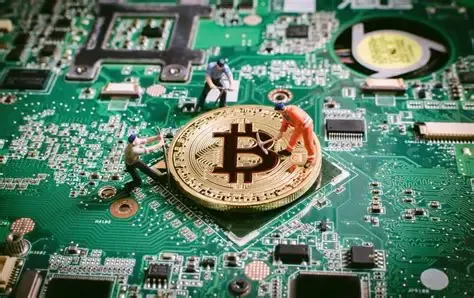
The miners verify transaction blocks, and whoever solves the problem that allows them to add the block gets cryptocurrencies like Bitcoin or Ethereum. Mining defends the network against fraud and double-spending and secures the network’s decentralization.
It also requires considerable technical know-how, computational power, and electricity. Individual home miners, intending to increase their odds for rewards, also join mining pools using their CPUs, GPUs, or ASIC devices.
How to Start Mining Cryptocurrency at Home

Below is a detailed guide on how to start mining cryptocurrency at home :*
Step 1: Choose Your Cryptocurrency
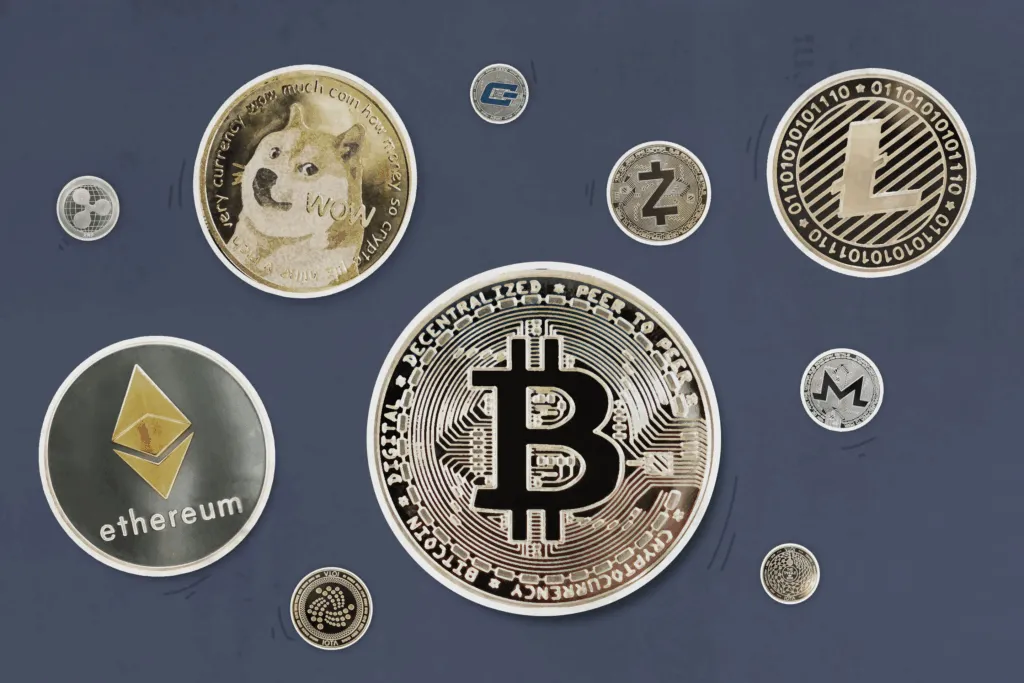
Start by selecting which cryptocurrency you want to mine. As a beginner, you might find Ethereum or smaller altcoins easier to mine than Bitcoin, as it requires less powerful hardware.

Step 2: Get the Right Hardware
Obtain mining equipment according to the cryptocurrency you selected to mine. You can either use a GPU, which is suitable for mining Ethereum, or get an ASIC miner to mine Bitcoin. Don’t forget to check that you have an appropriate power supply and an efficient cooling system.
Step 3: Install Mining Software
Obtain reputed mining software like NiceHash, Claymore, or PhoenixMiner and set it up according to your system’s hardware and the cryptocurrency you’ve chosen.
Step 4: Create a Cryptocurrency Wallet
Create a cryptocurrency wallet to receive the coins you mine. To keep your wallet secure, use hardware wallets. Software wallets like MetaMask or Trust Wallet are also available.
Step 5: Join a Mining Pool (Optional)
If you want to earn rewards on a more consistent basis, consider joining a mining pool. You can use Ethermine or F2Pool as your mining pool.
Step 6: Start Mining
Launch your mining software. You should keep track of your system’s performance, the hash rate, and your profits. Tweak the settings to reach an efficient and stable system.
Step 7: Withdraw Earnings
After you have reached the minimum amount required for a payout, you can move the amount of cryptocurrency you have mined to exchange it to a currency of your choice, or to a secure wallet to hold for the time being.
Why Use Cryptocurrency Mining at Home
Potential Profitability: Cryptocurrency directly produced from mining can appreciate in value, bringing profits when sold.
Decentralization Support: Blockchains remain secure and decentralized when new users join, and home miners help massively.
Learning Experience: Gain unprecedented insights into everything mounting personal mining operations entail.
Control over Earnings: Make mechanisms for profit quotas and risk management without the influence of third-party profit haulers.
Flexibility: You can mine at any tempo and with any configuration.
Hobby and Innovation: Home cryptocurrency mining and the required setup for it can constitute a valuable and satisfying digital hobby for computer enthusiasts.
Benefits Of Cryptocurrency Mining
Earn Passive Income
Miners earn crypto rewards for validating transactions which could appreciate over time.
Support Blockchain Security
By validating transactions, miners prevent fraud and double spending, securing the network.
Decentralization
Broadens the decentralized network, lessening dependence on virtual banks or central authorities.
Learning Opportunity
Hands-on experience with mining hardware and software will deepen the understanding of the technology.
Investment Potential
Mined crypto assets may be kept for later or turned into cash.
Innovation and Experimentation
Pursuing advanced mining strategies and developing eco-friendly mining hardware is encouraged.
Tips for Efficient Home Mining
Enhance Hardware Efficiency
Invest in quality GPUs and ASICs. For added performance, updated drivers and mining software should be used.
Prevent and Remove Overheating
Hardware failure can occur as a result of overheating. Hardware cooling with fans or with advanced systems will help.
Control Your Costs
Track your mining electricity usage. Reduce mining during costly electricity price times.
Collaborate
Earn better and steady returns by sharing your resources and joining a mining pool.
Consistent Checks
For consistent performance, carry out regular and scheduled cleaning of systems, and keep a lookout for faulty systems.
Wallet Security
Use safe passwords and limit access to your wallets to avoid losing mined cryptocurrency. Use two-factor authentication and keep your wallets in hardware.
Risks and Considerations
High Electricity Costs
Due to the amount of power mining uses, it can become expensive and affect profitability.
Hardware Wear and Tear
Mining continuously can cause overheating and damage to the GPUs or ASICs which can reduce their lifespan.
Market Volatility
The cryptocurrency market is constantly changing which will affect profitability and the returns you can earn.
Technical Challenges
Mining setups require technical skills and a lack of them can lead to a poorly configured operation or a crash.
Noise and Heat
Mining rigs produce a considerable amount of heat and noise which can be disruptive at home.
Regulatory Risks
Certain regions can impose restrictions or taxes on cryptocurrency mining activities.
Conclusion
Setting up cryptocurrency mining at home can be profitable. It allows one to earn cryptocurrencies and sustain various blockchain ecosystems. Picking the correct digital currency to mine along with suitable mining setups, dependable mining software, and cryptocurrency wallets allows for cryptocurrency mining at home.
For improved efficiency and profitability, participation in mining pools and performance evaluation for these pools proves helpful. Proper mining requires evaluation of electricity costs, market volatility, hardware upkeep, and mining software or mining operation software costs.
Home mining provides the valuable chance to learn and earn within cryptocurrencies and the digital ecosystem. It requires strategic decision making, cognitive patience, and responsible cryptocurrency mining management, and can be profitable.
FAQ
What hardware do I need for home mining?
You can use GPUs, CPUs, or ASIC miners depending on the cryptocurrency. A strong power supply, cooling system, and reliable internet connection are essential.
Do I need special software to mine?
Yes, mining software like NiceHash, Claymore, or PhoenixMiner is required to connect your hardware to the blockchain and start mining.
Is home mining profitable?
Profitability depends on cryptocurrency prices, electricity costs, hardware efficiency, and mining difficulty. Mining calculators can help estimate potential earnings.
Should I join a mining pool?
Joining a mining pool increases your chances of earning consistent rewards, especially for beginners, compared to solo mining.
How do I store mined cryptocurrency?
Use a secure wallet—hardware wallets (Ledger, Trezor) or software wallets (MetaMask, Trust Wallet) are recommended for safety.